Oct 11, 2026Buying Guides
How to Choose the Right ESP Electric Field and Matching High-Voltage Power Supply
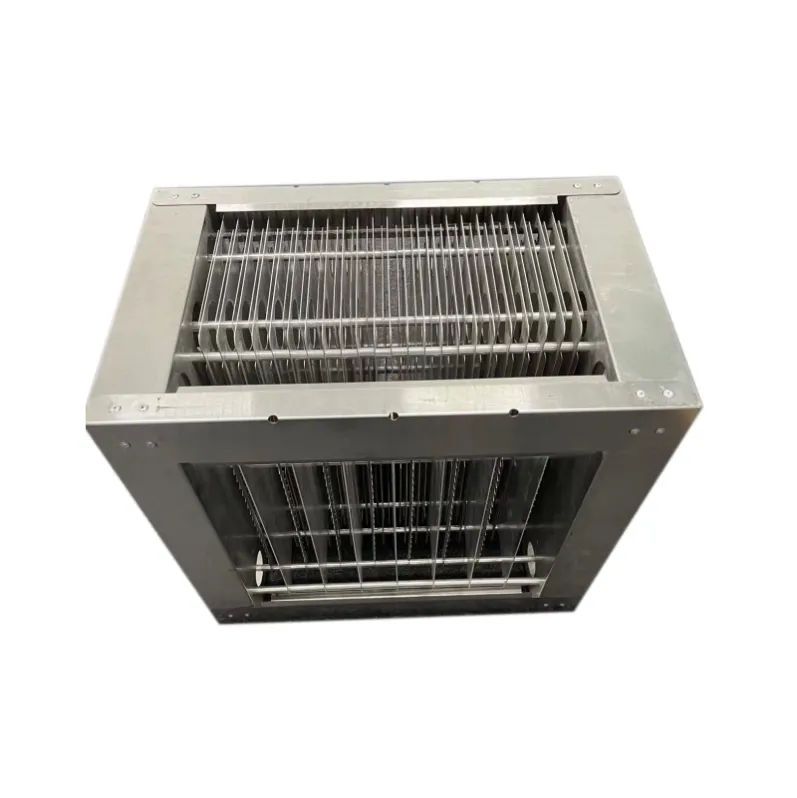
A common misconception in ESP fume purification systems is that more electric field plates deliver better performance.
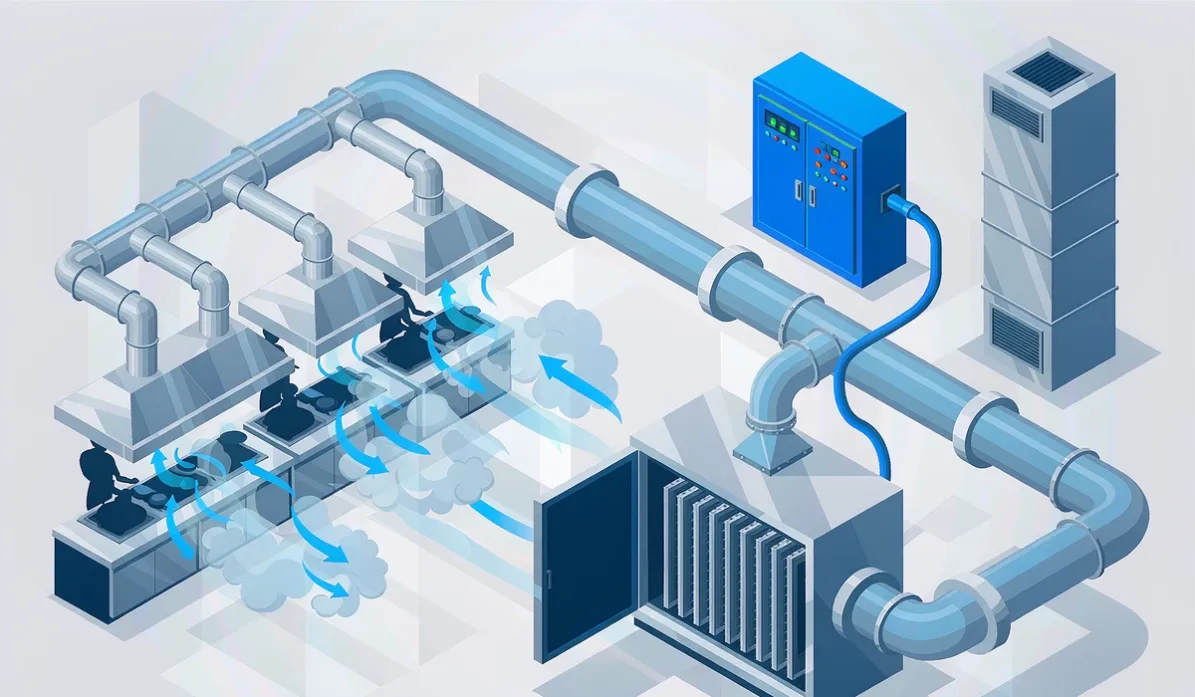
A common misconception in ESP fume purification systems is that more electric field plates deliver better performance. Actually, blindly adding electrodes barely improves purification efficiency, but triggers frequent arcing, unstable operation and higher failure rates. Scientific ESP field selection and precise high-voltage power supply matching are critical for reliable system operation.
Always select ESP electric fields based on actual working conditions, including air volume, fume concentration and ambient environment. Standard dual-stage ionizing-collecting fields work perfectly for ordinary commercial kitchens. For heavy-load scenarios like barbecue shops and industrial oil mist workshops, expand single-group electrode area rather than adding parallel fields to avoid excessive capacitive load. Enhanced insulated fields are recommended for humid and high-temperature environments to reduce current leakage.
As ESP fields are capacitive loads, larger electrode areas and more parallel fields require power supplies with stronger current output. Standard matching rules: 100W for 2000m³/h systems, 150–200W for 4000m³/h commercial kitchens, 300–400W for high-concentration fume conditions, and 600W+ for large industrial oil mist equipment.
Proper voltage output and complete protection are essential. Dual-stage ESP systems need 12–16kV ionizing voltage and 6–8kV collecting voltage. Qualified power supplies feature arc suppression, short-circuit, over-current and over-temperature protection with auto-recovery, effectively avoiding sparking caused by oil buildup and electrode deformation.
Lastly, reserve a 1.2–1.5x power safety margin based on fume density and humidity. Reasonable matching eliminates energy waste and frequent tripping, ensuring the ESP system maintains high purification efficiency with low failure and maintenance costs.